
Complete Guide: Choosing the Perfect Mattress for Your Sleep Style
Mattress Buying Guide
Selecting the ideal mattress represents one of the most significant investments you can make in your sleep quality and overall wellbeing. With countless options available when shopping for a mattress online, understanding the various types, features, and considerations becomes crucial for making an informed decision that will serve you well for years to come.
Understanding Different Types of Mattresses
Memory Foam Mattresses: The Pressure Relief Champions
Memory foam mattresses have revolutionised the sleep industry by offering unparalleled comfort and support. These innovative sleep surfaces utilise temperature-sensitive foam that moulds to your body’s contours, providing exceptional pressure relief for sensitive areas such as hips and shoulders. The high quality construction of modern memory foam ensures optimal support whilst maintaining durability.
Most foam mattresses are crafted from layers of different densities of foam. By varying the density and depth of these layers, manufacturers can achieve a wide range of comfort and support levels—meaning there’s a foam mattress out there for just about everyone. This versatility makes foam mattresses particularly suitable for use with slatted bases and adjustable beds, as they adapt well to these flexible foundations.
For those seeking convenience, many foam mattresses are now available rolled up for easy transport—often called ‘mattress-in-a-box’ solutions. This packaging innovation has made upgrading your sleep setup simpler than ever, without sacrificing quality or comfort.
When considering a memory foam mattress buying guide, it’s essential to understand that these mattresses excel at reducing motion transfer, making them an excellent choice for couples where one partner tosses and turns throughout the night. The dense foam construction provides consistent support across the entire sleep surface, promoting proper spinal alignment regardless of your sleeping positions.
Convenience is another hallmark of modern foam mattresses. Many are now available rolled-up and boxed—often referred to as “bed-in-a-box” or “mattress-in-a-box”—making delivery and handling effortless, even in homes with tricky staircases or limited space.
Exploring Non-Sprung Mattress Options
Memory foam is just one star in the constellation of non-sprung mattresses. These mattresses forego traditional springs in favour of advanced materials that offer a diverse range of comfort and support.
Latex Foam Mattresses
Latex foam, derived from natural rubber tree sap, is celebrated for its resilience, durability, and hypoallergenic properties. Its natural elasticity means the mattress quickly regains its shape, offering excellent support and even pressure distribution for sleepers who value both comfort and longevity.
Polyurethane (PU) Foam Mattresses
PU foam is a versatile, synthetic option that varies in density and quality. While generally more affordable, performance can differ, so it’s worth considering the grade of foam used when making your selection.
Gel Mattresses
Gel-infused mattresses are making waves thanks to their cooling and thermo-regulating qualities. Often combined with foam layers, gel provides increased breathability and pressure relief, making them a refreshing choice for those who tend to sleep hot.
Flotation Beds (Waterbeds)
Offering a unique, pressure-free support, flotation beds use water as their core material. Their support level can be adjusted by altering the water volume, and most models include temperature controls for year-round comfort. These beds also offer hypoallergenic benefits and can be particularly soothing for those with joint sensitivities.
Futons
Inspired by traditional Japanese bedding, futons are constructed from layers of cotton or fibre wadding that conform to the shape of your body. While in Japan they’re typically laid directly on the floor and rolled away during the day, in the UK and elsewhere, futons are often used as space-saving sofa beds with slatted frames—ideal for guest rooms or multi-use spaces.
By understanding the features and benefits of each non-sprung mattress type, you can better identify which material aligns with your sleep needs and preferences.
Gel Mattresses: Cooling Innovation for Restful Sleep
Gel mattresses represent one of the latest advancements in mattress technology, designed specifically to enhance both comfort and temperature regulation. Often incorporated as a layer within foam mattresses or as an integrated component in hybrid designs, gel-infused materials offer a uniquely refreshing sleep experience.
These mattresses are particularly well-regarded for their ability to dissipate heat, thanks to the cooling properties of the gel used throughout the sleep surface. If you tend to sleep hot or struggle with overheating at night, a gel mattress can help maintain a consistently comfortable temperature.
In addition to temperature control, gel mattresses evenly distribute body weight and relieve pressure points much like memory foam. The combination of breathability, enhanced cooling, and steady support makes gel beds an attractive option for anyone seeking both comfort and climate management in their mattress choice.
Latex Foam Mattresses: Naturally Resilient Comfort
Latex foam mattresses stand out for their unique blend of comfort, durability, and natural materials. Sourced from the sap of rubber trees, latex is renowned for its buoyant and supportive feel—a distinctive sensation that’s both responsive and cushioning.
One of the key advantages of latex is its incredible resilience. Unlike other materials, latex quickly returns to its original shape when pressure is lifted, ensuring consistent support night after night. This elasticity allows the mattress to evenly distribute weight, delivering personalised support that adapts to your individual sleeping style.
Allergy sufferers may especially appreciate latex mattresses for their natural resistance to dust mites, mould, and bacteria. In addition to being hypoallergenic, latex offers excellent temperature regulation, helping to keep you cool throughout the seasons.
For those seeking a mattress that couples long-lasting support with eco-friendly credentials, latex foam can be an excellent investment in restorative sleep and peace of mind.
Polyurethane (PU) Foam Mattresses: Versatility and Affordability
Polyurethane foam, often referred to as PU foam, is a popular synthetic material commonly found in the core or comfort layers of many modern mattresses. Created from petroleum-based compounds, PU foam comes in varying densities and firmness levels, which directly affect both durability and support.
One of the standout features of PU foam is its adaptability. Lightweight and highly versatile, it serves as the foundation in both budget-friendly and mid-range beds, as well as a supportive layer in more advanced designs. Mattresses made with PU foam are often chosen for their affordability and cushioning, making them a practical option for guest rooms, children’s beds, or anyone seeking comfort on a budget.
Keep in mind that while PU foam provides a soft, comfortable surface, its longevity and level of support can vary depending on quality and density. For those seeking a simple, cost-effective solution for occasional use, PU foam mattresses are well worth considering.
Spring and Foam Mattress Combinations: Best of Both Worlds
Hybrid mattresses combine traditional spring systems with foam layers, creating a perfect balance of support and comfort. These innovative designs typically feature pocket springs mattresses as their foundation, topped with memory foam or other comfort layers. This combination delivers the responsive support of springs with the pressure-relieving benefits of foam.
The pocket spring system works independently to provide targeted support where your body needs it most, whilst the foam layer contours to your body shape. This design makes hybrid mattresses a great option for sleepers who require both firm support and comfortable cushioning.
Hybrid mattresses may also incorporate other advanced materials, such as latex or gel-infused foam, to further enhance breathability, resilience, and temperature regulation. With the ability to blend different comfort and support features, hybrids cater to a broad spectrum of sleep preferences and requirements.
What Sets Pocket Springs Apart?
Pocket springs are smaller, softer coils housed in individual fabric pockets—each spring moves independently, adapting to your unique contours and helping to prevent roll-together, a common issue with interconnected spring systems. This independence enhances motion isolation, so you’re less likely to be disturbed by a partner’s movements during the night.
Pocket spring counts typically range from 600 to 2,500, with luxury models reaching as many as 4,000 springs. More springs generally mean finer body contouring and more tailored support. These mattresses are available in a variety of tensions, catering to those who prefer anything from gentle cushioning to firmer support.
Quality can also vary in pocket spring construction. Premium mattresses may use springs encased in natural calico and arranged in a honeycomb pattern, often centre-tied with linen cord for durability and stability. More affordable options use synthetic fabrics and simpler assembly methods, such as springs glued in linear rows.
By combining pocket springs with comfort-focused foam layers, hybrid mattresses offer the best of both worlds—responsive, individualised support and plush, pressure-relieving comfort. This makes them an excellent choice for anyone seeking a versatile sleep solution tailored to a wide range of preferences and needs.
Understanding Spring Interior Mattresses
Spring interior mattresses are among the most popular choices in the UK, offering the classic ‘core’ support at the heart of many beds. Their construction can vary widely, with changes in the thickness (or gauge) of the wire, the number of coils, and the height and quantity of each spring all affecting the mattress’s tension, feel, and ability to distribute weight. Some mattresses are ‘zoned’ for added support where it’s needed most—such as the hips and shoulders—while others offer different tensions on each side of the bed or reinforced edges for extra durability. For couples with differing firmness preferences, options like zip & link mattresses allow each side to be customised.
Pocket Spring Mattresses: Targeted, Individual Support
Pocket spring mattresses are constructed with hundreds to thousands of individually wrapped springs, each moving independently from the others. This design allows the mattress to conform and adjust to your body’s unique contours, reducing pressure points and helping to eliminate roll-together—especially useful if you share your bed. Spring counts can vary widely, typically ranging from 600 to 2,500 or even more in high-end models. The best-quality pocket springs are often encased in fabric pockets and carefully arranged to provide both durability and a responsive feel.
Mini Spring Mattresses: The Next Generation in Comfort
A recent innovation, mini springs are extra low-profile springs (often under 3cm in height) that can be layered to create a highly resilient comfort layer. These mini springs add a soft, luxurious feel to the mattress surface and are sometimes stacked to form an exceptionally plush and supportive mattress core. They offer an exciting alternative to traditional fillings, enhancing both adaptability and comfort.
Some advanced spring systems even let you adjust the mattress tension yourself, catering to evolving comfort needs over time.
Mini Spring Mattresses: Modern Comfort in a Slim Profile
Mini spring mattresses, sometimes called micro coil mattresses, bring a contemporary twist to mattress design by integrating ultra-compact springs—often less than 3 cm tall—within their comfort layers. Unlike traditional fillers, these tiny, resilient coils create a plush, highly responsive sleeping surface that adapts quickly to your every movement.
The unique construction of mini springs brings several compelling benefits:
- Enhanced Comfort: The flexible coil layer adds extra softness and bounce, ideal for those who want a mattress that contours gently without feeling too dense or sinking in.
- Superior Breathability: Mini coil layers promote airflow throughout the mattress, helping regulate temperature and prevent overheating, especially during warmer months.
- Customised Support: Manufacturers can stack multiple mini coil layers to achieve a softer, higher spring count core—delivering tailored comfort that suits a wide range of sleepers.
All in all, mini spring mattresses are an excellent option for anyone seeking a balance of luxurious softness and advanced airflow without the bulk of traditional spring units.
Open Coil Spring Mattresses: Traditional Reliability
Open coil spring mattresses, also known as Bonnell spring systems, represent the traditional approach to mattress construction. These mattresses feature interconnected springs that provide consistent support across the entire sleep surface. The open coil mattress design offers excellent ventilation, promoting temperature regulation throughout the night.
A hallmark of the open coil system is its robust internal structure: springs are arranged in rows and connected top and bottom by a spiral helical wire, with an outer rod reinforcing the perimeter for added edge support. Typically, a 5ft (150cm) mattress will contain a minimum of 325 coils, though some models may feature even more for enhanced durability and stability. These springs are also available in a variety of tensions, starting from a very firm 12.5-gauge wire, allowing you to choose the level of support that suits your preference.
For those seeking a firmer sleep experience, open coil spring mattresses deliver robust support with less contouring than memory foam alternatives. They represent an excellent value proposition whilst maintaining the essential support and comfort required for quality sleep.
Continuous Spring Mattresses: Responsive and Durable
Another spring option, continuous spring mattresses, use a single length of wire ‘knitted’ into a series of interwoven springs. This method results in a higher spring count and a more responsive feel compared to traditional open coil systems. The use of slightly thinner wire means these mattresses can offer a softer, bouncier sensation without sacrificing durability, making them a solid mid-market choice.
By understanding the different spring systems—from classic open coil to advanced pocket and mini springs—you’ll be better equipped to choose a mattress that delivers both the support and comfort your body needs.
Non-Sprung Mattresses: Foam, Gel, and More
Beyond spring interiors, non-sprung mattresses have surged in popularity thanks to their versatility and comfort. Foam mattresses, for example, are crafted from layers of varying densities and depths—allowing for a wide range of firmness and support levels. This makes them particularly well-suited for slatted bases and adjustable beds. Many modern foam mattresses are even available as convenient “mattress-in-a-box” options, rolled up for easy delivery and setup.
Other types of non-sprung mattresses include gel mattresses, which offer enhanced cooling and support; floatation mattresses, which use fluid-filled chambers for an entirely different sleep sensation; and futons, which provide simple, flexible support ideal for multipurpose rooms or guest spaces.
With so many options available—whether you prefer the responsive feel of springs, the contouring comfort of foam, or the unique qualities of gel and floatation mattresses—there’s a mattress type designed to suit every sleep preference and lifestyle.
Exploring Spring Mattress Fillings: Materials and Their Impact
The comfort and performance of a spring mattress are not determined by its springs alone—the selection of fillings layered above and around the spring system can make a significant difference in feel, breathability, and even price point. Mattress manufacturers use a mix of both natural and synthetic materials, each delivering unique benefits.
Common Mattress Fillings Include:
- Cotton: Favoured for its soft, breathable nature, cotton is often placed near the mattress surface. It excels at absorbing moisture, helping keep you cool and dry throughout the night.
- Polyester: This synthetic filling is prized for its resilience and affordability. Polyester bounces back well after compression, maintaining shape and offering a firmer feel at a lower cost.
- Luxury Natural Fibres: Mattresses with silk, cashmere, or mohair deliver a touch of indulgence and superior insulation. These premium materials enhance comfort and often come with a higher price tag, making them popular in luxury mattress ranges.
- Horsehair and Other Animal Hairs: Highly durable and naturally springy, horsehair provides a responsive support layer and is often reserved for high-end models. Its resilience is often likened to “nature’s own spring.”
- Coir (Coconut Fibre) Pads: These layers are usually positioned directly above the springs to serve as a buffer. Coir is firm, breathable, and excellent at preventing springs from poking through, thus extending mattress longevity. Alternatives may include compressed wool or other synthetic insulators.
- Foam Layers: Many spring mattresses now incorporate various foams—such as latex, polyurethane, or memory foam—to add cushioning, motion isolation, or pressure relief. The type and thickness of foam can greatly influence both softness and support.
- Wool: Known for its luxurious feel, wool adds a naturally resilient and breathable layer with inherent fire-retardant properties.
How Fillings Influence Comfort and Cost
Budget-friendly mattresses may use fewer or more compacted synthetic fillings, resulting in a firmer, simpler comfort profile. Higher-quality models tend to feature thicker, more generous layers of loose natural materials, offering a plush, breathable, and highly durable sleep surface. Ultimately, the mix and quality of fillings not only shape mattress comfort and support but are a key factor in pricing, from value-friendly basics to luxury options.
Mattress Fillings: Building Comfort, Resilience, and Breathability
The materials used within a mattress—known as fillings—play a pivotal role in shaping not just the overall comfort but also the longevity and performance of your sleep surface. These hidden heroes influence everything from resilience and durability to the very ability of a mattress to manage moisture throughout the night.
Resilience and Longevity
Fillings such as cotton, wool, and advanced synthetic fibres each bring unique strengths to your mattress. For instance:
- Cotton offers a gentle, breathable layer close to the surface, but also recovers well after nights of sleep, contributing to the overall plushness without sacrificing structure.
- Polyester and similar synthetic materials are valued for their robust recovery after compression, meaning your mattress bounces back night after night, resisting sagging and dips over time.
- Horsehair and natural fibres like mohair act as built-in micro-springs, significantly enhancing resilience and long-term durability, while giving a touch of luxury often reserved for premium mattresses.
Moisture Absorption and Breathability
A mattress doesn’t just support your body—it works to keep you dry and comfortable too. Natural layers such as:
- Wool and cotton excel at wicking away moisture and promoting airflow, making them ideal for sleepers seeking a naturally cool and fresh environment.
- Silk, cashmere, and coir further help regulate temperature and absorb excess humidity, important for those prone to getting hot overnight.
- Coir fibre pads, crafted from coconut husk, not only add resilience close to the springs but also support airflow and insulation, helping to maintain an even, pleasant sleeping climate.
Support and Comfort Layers
Beyond moisture control and resilience, fillings also affect the feel under your body:
- Foam varieties—including latex, polyurethane, and memory foam—provide targeted cushioning, adapting to your body’s unique shape for close-contact comfort while dispersing weight for reduced pressure buildup.
Whether a mattress is packed with compacted pads in a value design or layered loosely for maximum comfort in a luxury model, the blend and quality of these inner materials directly impact your sleep—helping your mattress remain supportive, comfortable, and fresh for years to come.
Continuous Spring Mattresses vs. Open Coil Designs
When exploring traditional spring mattresses, you’ll likely encounter both continuous spring and open coil (or Bonnell spring) options. While they may seem similar at first glance, there are some key differences in their construction and the type of support they provide.
Continuous spring mattresses are crafted from a single, continuous wire that’s artfully woven into a series of interconnected springs. This unique construction results in a higher spring count and a more responsive sleep surface. The springs tend to be smaller and made with a slightly softer gauge of wire compared to standard open coil mattresses, which helps create a smoother, more adaptive feel across the entire bed. In terms of pricing, continuous spring models generally occupy the mid-market segment—a sweet spot for those seeking reliable quality without breaking the bank.
Open coil mattresses, sometimes referred to as Bonnell spring mattresses, take a more classic approach with springs arranged in rows and connected by helical wires from top to bottom. These coils are typically larger, and the configuration offers dependable support—especially in firmer varieties that utilise thicker wire. Open coil designs usually ventilate well and are priced from budget to mid-range, making them accessible for a wide variety of sleepers.
In summary:
- Continuous spring mattresses deliver a higher spring count for a more responsive and even feel, thanks to their singular wire construction.
- Open coil mattresses (Bonnell springs) feature interlinked coils for robust, traditional support, with a broader range of firmness options.
Choosing between the two depends on your preference for responsiveness versus firmness—and, of course, your budget.
Common Mattress Fillings and Their Benefits
When choosing a mattress, the type of filling inside plays a crucial role in comfort, support, and even the climate of your sleep. Let’s take a closer look at the most popular materials used in mattress construction and the distinct advantages each provides:
- Cotton:
Prized for its soft, breathable texture, cotton is frequently layered near the sleeping surface. It draws away moisture and encourages airflow, helping you stay cool and comfortable through the night. This makes it ideal for those who tend to sleep warm or prefer a mattress with a natural touch.- Polyester:
A modern synthetic fibre, polyester brings bounce and durability to mattress interiors. It recovers its shape well after compression, ensuring the mattress remains supportive while also standing up to the test of time.- Luxurious Natural Fibres – Silk, Cashmere, Mohair:
These premium materials are often featured in high-end mattresses for an added layer of opulence. Beyond their unmistakable softness and smoothness, they offer natural insulation, helping balance temperature regardless of the season.- Horsehair (Hair):
Long renowned as “nature’s spring,” horsehair is naturally elastic and highly breathable. It is commonly used in luxury mattresses—either in pads or as loose fibres—to deliver buoyancy, long-lasting support, and outstanding airflow.- Coir Fibre Pads:
Derived from coconut husks, coir pads act as a resilient barrier between the spring system and upper filling layers. They help insulate, prevent the sensation of springs beneath you, and are a nod towards sustainability. Sometimes, compressed wool or synthetic pads are used for a similar effect.- Foam:
Foam layers, such as latex, polyurethane, and visco-elastic (better known as memory foam), are prized for their adaptability and cushioning. Each foam type lends a unique feel—latex for responsiveness, polyurethane for budget-friendly comfort, and memory foam for adaptive pressure relief.- Wool:
Wool remains a longstanding favourite for its natural ability to provide cushioning and insulate without overheating. Not only does it lend a plush, inviting feel to the surface of your mattress, but it also has inherent fire-resistant qualities and efficiently wicks moisture away.Understanding the strengths of each filling enables you to select a mattress that meets your exact needs—whether you value natural fibres, advanced synthetics, or a harmonious blend.
Zip & Link Mattresses: Tailored Comfort for Couples
If you and your partner have markedly different sleep preferences, zip & link mattresses could be the solution to finally making peace at bedtime. This ingenious design joins two separate mattresses—often with varying firmness levels—via a secure zip along the side, allowing each sleeper to enjoy their personalised comfort while still sharing the same bed frame.
With a zip & link setup, couples can mix and match mattress types or firmness levels, so one person might opt for plush memory foam while the other chooses a firmer pocket spring. When zipped together, the mattresses function seamlessly as one cohesive unit without interrupting the feel of a traditional double, king, or super king bed.
This flexibility is especially valuable in guest rooms or for those who want an easily reconfigurable sleeping arrangement, making zip & link mattresses a standout choice for harmonious, undisturbed sleep.
Quilting, Tufting, and Side Stitching: Understanding Mattress Finishing Techniques
When comparing mattresses, you may notice differences in the way their surfaces and edges are finished. Three common techniques—quilting, tufting, and side stitching—not only influence the mattress’s appearance, but also its feel and longevity.
Quilting
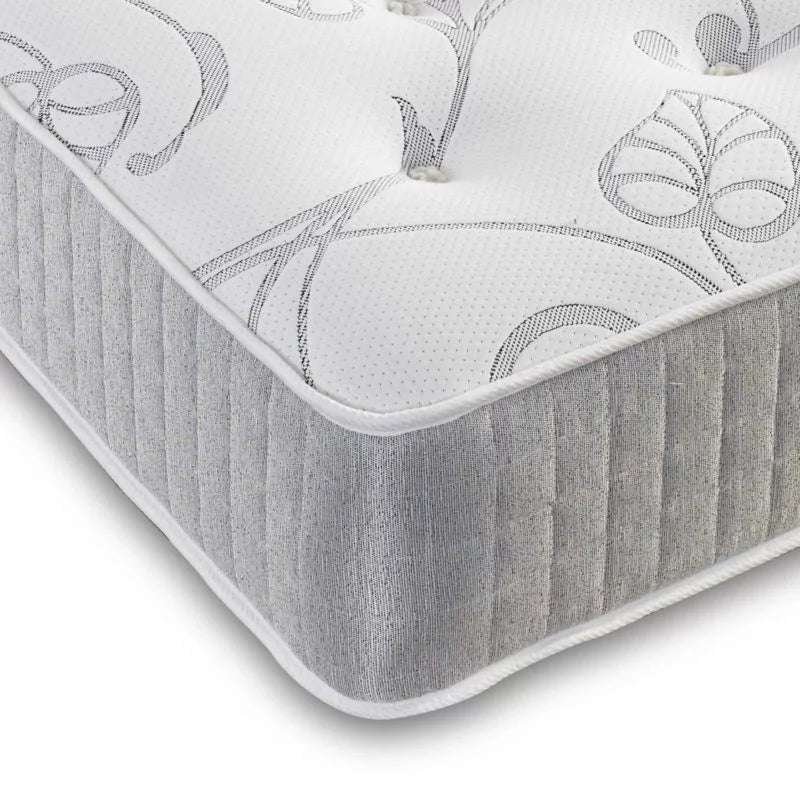
Quilting involves stitching the outer fabric of the mattress directly to its comfort layers, creating a smooth, even surface. This process gives the mattress a flatter look and adds a plush feel to the top layer, enhancing initial comfort. Quilting is often found on mattresses that aim for a softer sleeping surface and subtle, decorative design.
Tufting
Tufting is a traditional technique where strong threads are run all the way through the mattress from top to bottom, secured on both sides with tapes or buttons. This anchors all the internal fillings in place, helping maintain structure and preventing the materials from shifting over time. Tufted mattresses typically display visible dimpled spots across the surface and are prized for maintaining shape, especially in high-end or luxury designs.
Side Stitching
For an additional level of craftsmanship, some higher quality mattresses—particularly those with pocket spring interiors—feature hand side stitching. This process reinforces the edges by attaching the outer fabric to the innermost spring unit, resulting in superior edge support and helping the mattress retain its shape year after year.
Understanding these finishing techniques can help you choose a mattress that not only delivers the comfort you desire, but also stands the test of time.
Flotation (Water) Beds: Customisable Comfort for Sensitive Sleepers
Flotation, or water beds, offer a unique sleep experience by using water as their core support system. The firmness of a water bed is easily adjusted by increasing or decreasing the water volume, allowing you to tailor the surface to your preferred comfort level. This customisable support gently cradles the body, reducing pressure on vulnerable areas like hips and shoulders.
One notable advantage of water beds is their ability to minimise pressure points, making them particularly appealing for individuals prone to aches or discomfort. The sealed design also prevents the accumulation of dust mites and allergens, providing a cleaner sleep environment—ideal for allergy sufferers.
Many modern flotation beds come equipped with adjustable heaters, ensuring a consistently warm and inviting sleep surface throughout the year. This feature can be especially comforting during colder months and adds an extra layer of cosiness to your bedding setup.
Futons: Versatility Meets Tradition
Futons offer a unique blend of comfort and flexibility, making them a distinctive choice in the world of bedding. Traditionally crafted from layers of cotton or fibre wadding, futons are designed to adapt naturally to the curves of your body, providing a supportive yet yielding sleep surface.
Originating in Japan, futons are typically placed directly on a tatami mat and stored away during the day to maximise living space—a practical solution for compact homes. In the UK, however, futons have taken on a slightly different role. Here, they are most commonly found as affordable sofa beds with wooden or metal frames that convert easily from a sitting position to a flat sleeping surface.
Whether you’re furnishing a guest room, looking for a space-saving solution, or embracing minimalist décor, futons provide adaptable comfort with a nod to timeless design.
Choosing Based on Your Sleep Styles
Mattresses for Side Sleepers
Side sleepers require specific considerations when selecting their ideal mattress. The natural curves of the human body create pressure points at the hips and shoulders when sleeping on one’s side. A soft mattress or medium-soft option provides the necessary give to accommodate these pressure points whilst maintaining proper spinal alignment.
Memory foam mattresses excel for side sleepers due to their ability to contour precisely to body shape, distributing weight evenly and reducing pressure concentration. Hybrid mattresses also work well, offering the contouring benefits of foam with the responsive support of springs.
Supporting Different Sleeping Positions
Each type of mattress offers varying levels of support suitable for different sleeping positions. Back sleepers typically benefit from medium to firm mattresses that maintain natural spinal curvature, whilst front sleepers require firmer support to prevent excessive sinking that could strain the lower back.
The key lies in understanding how different mattress types respond to your body weight and preferred sleeping position. A pillowtop mattress, for instance, provides additional cushioning that some sleepers find beneficial, whilst others prefer the direct support of a firmer surface.
Essential Factors for Mattress Selection
Comfort and Support Balance
Achieving the perfect balance between comfort and support requires careful consideration of your individual needs. The ideal mattress should provide adequate support to maintain proper spinal alignment whilst offering sufficient comfort to promote restful sleep. This balance varies significantly between individuals based on body weight, preferred sleeping positions, and personal comfort preferences.
Modern mattresses achieve this balance through sophisticated layering systems that combine different materials and densities. Understanding how these layers work together helps you identify which type of mattress will best serve your specific requirements.
Adjusting Mattress Tension for Personal Comfort
Mattress tension—often referred to as firmness or support level—can make a world of difference in how comfortable and supportive your bed feels. Fortunately, modern mattress designs offer a variety of ways to tailor this tension to individual or even dual preferences.
For instance, sprung mattresses can be engineered with different wire gauges, coil counts, or spring configurations to create varying levels of tension across the sleep surface. Zoned support systems are particularly popular, featuring firmer spring arrangements in areas such as the hips and shoulders, while maintaining a softer feel elsewhere to align the spine.
If you and your partner have distinct firmness preferences, many manufacturers offer options like dual-tension mattresses, where each half of the bed is crafted to a different firmness level. Some designs go even further with edge support reinforcements or adjustable tension units, allowing for targeted customization according to your unique needs.
For those who desire maximum flexibility, look for mattresses that allow manual tension adjustment, so you can fine-tune your bed’s support as your comfort requirements change over time. This thoughtful approach ensures your mattress can evolve with you, delivering the ideal blend of support and plushness, night after night.
Temperature Regulation Considerations
Sleep temperature significantly impacts sleep quality, making temperature regulation a crucial factor in mattress selection. Different mattress types offer varying degrees of temperature control. Traditional spring mattresses naturally promote airflow, whilst memory foam mattresses may retain more heat due to their dense construction.
Advanced manufacturing techniques have addressed these concerns, with many memory foam mattresses now incorporating cooling technologies. Hybrid designs often provide excellent temperature regulation by combining the airflow benefits of springs with the comfort of foam layers.
The Benefits of Specialised Mattress Ticking
Modern mattress design goes well beyond the core layers—attention to detail extends right to the outer surface, known as the ticking. Recent innovations mean that the ticking itself can be imbued with a host of beneficial properties, contributing significantly to both comfort and wellbeing.
Allergy and Hygiene Protection
Specialised tickings often feature anti-allergy and anti-microbial treatments. These additions work by reducing the presence of dust mites, bacteria, and other common allergens in your sleep environment. The result? A cleaner, fresher, and healthier bed—especially valuable for allergy sufferers or anyone aiming to maintain a hygienic sleeping space.
Enhanced Breathability and Comfort
Another advantage is increased breathability. Many modern tickings are engineered to wick away moisture and ‘breathe’—allowing air to circulate and perspiration to evaporate quickly. If you tend to sleep warm, this feature can lead to a noticeably cooler, drier, and more comfortable night’s rest, even during warmer months.
Added Practical Benefits
Some mattresses also offer tickings with added functionalities such as being water-resistant or naturally fire-retardant. These additions provide extra peace of mind and practicality, helping your mattress stand up to everyday spills or accidental stains while contributing to overall safety.
In essence, a mattress with specialised ticking qualities delivers a trio of benefits: improved hygiene, greater comfort, and practical protection—helping you rest easier, night after night.
Pressure Relief and Motion Isolation
Effective pressure relief prevents discomfort and promotes better circulation during sleep. Mattresses that excel at pressure relief distribute body weight evenly, reducing stress on joints and pressure points. This feature proves particularly important for individuals who experience joint pain or circulation issues.
Motion isolation becomes crucial for couples sharing a bed. Mattresses with superior motion isolation prevent movement from one side of the bed from disturbing the other sleeper, ensuring both partners enjoy uninterrupted rest.
Mattress Sizes and Practical Considerations
Selecting Appropriate Mattress Sizes
Mattress sizes play a vital role in sleep comfort and bedroom functionality. Standard UK mattress sizes range from single to super king, with each size serving different needs and room dimensions. Consider not only current requirements but also future needs when selecting mattress sizes.
The relationship between your bed frame and mattress size requires careful attention. Ensuring proper fit prevents issues such as mattress sliding or inadequate support around the edges. Quality bed frames provide the necessary foundation for mattress performance and longevity.
Understanding Mattress Ticking and Its Qualities
When exploring mattress construction, the outermost layer you encounter is known as the mattress ticking. Far from being a mere decorative covering, ticking serves a variety of functional purposes crucial to mattress performance and longevity.
High-quality ticking is typically woven or knitted using durable cotton or viscose yarns, which contribute to both resilience and breathability. More budget-friendly options may use materials such as polyester or polypropylene, which are often less robust but still serve as protective barriers.
Ticking has evolved beyond simple protection. Today’s mattresses may feature covers designed with specialised properties to enhance hygiene and comfort. Common qualities include:
- Allergy and Hygiene Protection: Anti-dust mite, anti-bacterial, and anti-microbial treatments create a less hospitable environment for allergens and microbes.
- Moisture and Temperature Management: Many tickings employ moisture-wicking technologies—similar to those used by athletic brands like Outlast or Coolmax—to draw perspiration away from the body, helping sleepers remain dry and cool throughout the night.
- Additional Functionalities: Breathable fabrics promote airflow, while water-resistant or stain-resistant treatments add a layer of practicality for everyday life. Some covers incorporate anti-static properties or natural fire retardancy for added safety and comfort.
The innovation in ticking materials ensures your mattress remains not only visually appealing but also contributes directly to a cleaner, more comfortable, and restorative sleep environment.
Preventing Bed Bug Infestation
Maintaining mattress hygiene extends beyond regular cleaning to include prevention of bed bug infestation. Modern mattresses incorporate various features to resist pest infiltration, but proper maintenance practices remain essential. Regular inspection, appropriate cleaning techniques, and protective measures help maintain a hygienic sleep environment.
Understanding the signs of potential bed bug infestation and implementing preventive measures protects your investment and ensures continued sleep quality. Professional cleaning services and protective covers provide additional layers of protection against various contaminants.
Recognising When It’s Time for a New Mattress
Even the best mattresses eventually reach the end of their useful life. Knowing when to replace your mattress is essential for maintaining sleep health and overall comfort. Several tell-tale signs suggest it may be time to consider an upgrade:
- Visible Sagging or Lumps: Over time, mattresses may develop noticeable dips, lumps, or a lack of support in certain areas. These imperfections can compromise spinal alignment and comfort, leading to disrupted sleep or aches upon waking.
- Increased Discomfort: If you consistently wake up with stiffness, soreness, or tingling—especially if these symptoms resolve after spending nights elsewhere—your mattress may no longer provide adequate support or pressure relief.
- Persistent Allergies or Musty Odours: Older mattresses tend to accumulate dust mites, allergens, and, in some cases, mildew. If you’re experiencing unexplained allergy symptoms or notice persistent odours despite regular cleaning, your mattress may need replacing.
- Noisy Springs or Components: Squeaks, creaks, or grinding sounds whenever you move can indicate worn-out inner springs or broken support systems, which can disrupt sleep and reduce mattress longevity.
- Age of the Mattress: As a guideline, most mattresses should be replaced every 7–10 years. This lifespan depends on the quality of materials and usage, but if your mattress has exceeded this timeframe, it may no longer provide optimal comfort or support.
By recognising these common indicators, you can ensure your sleep environment remains both supportive and hygienic, ultimately safeguarding your well-being and nightly rest.
Making Your Final Decision
Evaluating Options When Shopping Online
Purchasing a mattress online requires careful research and consideration of return policies, warranty terms, and customer reviews. Reputable retailers provide detailed specifications, customer feedback, and often trial periods that allow you to test the mattress in your own home.
Understanding the features that matter most for your sleep style helps narrow down options from the vast selection available online. Focus on mattresses that specifically address your primary concerns, whether that’s pressure relief, temperature regulation, or motion isolation.
Long-term Investment Considerations
A quality mattress represents a significant long-term investment in your health and wellbeing. Consider factors such as durability, warranty coverage, and the manufacturer’s reputation when making your selection. High quality mattresses may require a larger initial investment but often provide better value through extended lifespan and superior performance.
The perfect mattress balances your immediate comfort needs with long-term durability and support. By understanding the various types of mattresses available and how they align with your specific requirements, you can make a confident decision that will enhance your sleep quality for years to come.
Remember that the best mattress is ultimately the one that provides you with consistent, comfortable sleep whilst supporting your body’s natural alignment. Take time to research thoroughly, consider your options carefully, and choose a mattress that will serve as the foundation for countless nights of restorative sleep.
